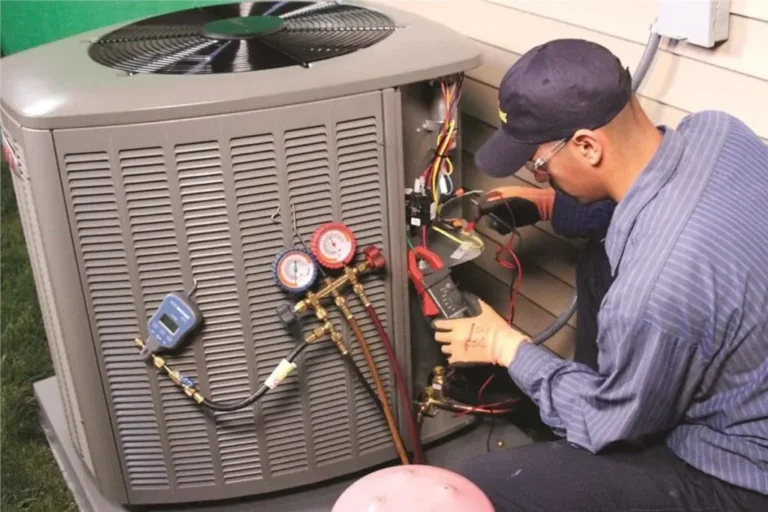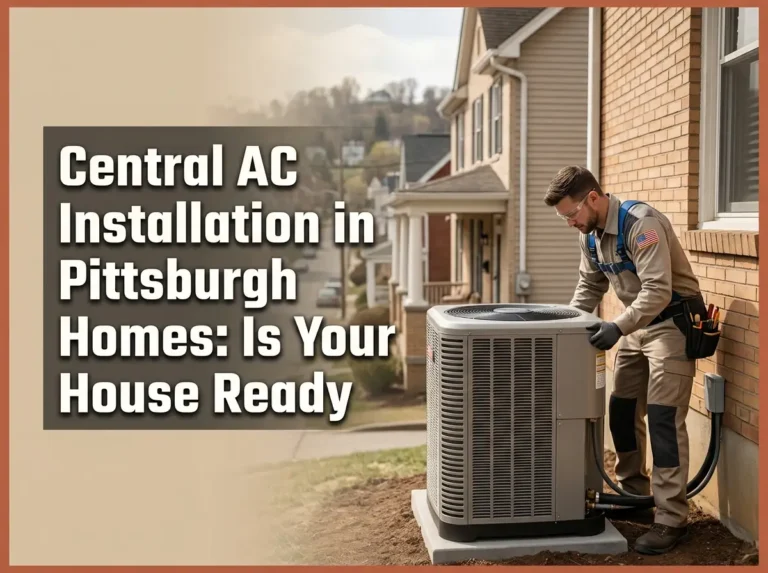
Your home cooling system relies on one heavy-duty part to keep your family comfortable through sticky Pittsburgh summers. That component is the compressor, often called the heart of the entire air conditioning unit. When it stops working, the cooling process grinds to a sudden and very expensive halt.
Learning what causes the AC compressor fail helps you protect your investment and avoid sweating through a humid July afternoon. Spotting the warning signs early saves you from complete system replacement costs down the road. Let us look at exactly why these vital cooling parts fail and how you can stop them.
The Role of the Compressor in Your AC System
The compressor acts as a pump that moves chemical refrigerant through your indoor and outdoor cooling coils. It squeezes the cool gas into a hot, high-pressure state so heat can escape outside your home. Without this steady pressure, the refrigerant cannot change states to absorb heat from your indoor air.
When this component struggles, you will notice distinct signs of AC compressor failure before the system dies. Your home might take much longer to cool down, or you might hear loud clicking noises outside. Recognizing these clues early gives you a chance to fix minor issues before they ruin your machine.
How Refrigerant Cycles Keep Things Cool
Refrigerant travels in a continuous loop to pull heat out of your living spaces. The compressor provides the physical force needed to keep this vital heat transfer process moving smoothly. If the fluid level drops or becomes contaminated, the pump works twice as hard to cool.
Why Constant Pressure Matters for Comfort
Your system requires specific pressure balances to run without straining internal motor parts. Sudden drops or spikes in this pressure force the motor to overheat and wear out fast. Keeping tabs on system performance prevents these pressure imbalances from destroying your unit.
Low Refrigerant Levels and Leaks
Running an outdoor cooling unit without enough refrigerant causes immediate, severe physical stress on the motor. Refrigerant does more than just cool your home; it also cools down the compressor motor during operation. Low levels force the pump to run hot, which burns up internal seals and windings.
Small cracks in the copper lines cause these low chemical levels over months of constant operation. Finding a leak early protects your system from experiencing total AC compressor failure during severe heat waves. Regular professional pressure checks ensure your system always has the exact charge it needs to run.
The Danger of Tiny Copper Line Leaks
Vibrations from regular operation can rub copper refrigerant lines against the metal outer casing over time. This friction creates tiny pinholes that slowly let the essential chemical gas escape into the air. Your system loses cooling power long before the pump gives out completely.
How Low Chemical Charges Cook the Motor
When the chemical charge drops, the compressor loses its primary source of internal temperature control. The motor operates at extreme temperatures that bake the protective oil coating right off the parts. This dry friction creates metal shavings that destroy the pump from the inside.
Electrical Failures and Power Surges
Electrical problems can easily fry the sensitive internal wiring of your outdoor cooling machinery. Bad capacitors, worn-out contactors, and loose wires cause a massive drop in voltage to the pump. This lack of clean power forces the motor to draw too much electrical current to start.
Frequent power surges from local Pittsburgh storms also cause sudden central air problems that damage internal controls. These electrical spikes burn through the protective insulation on the motor windings, causing a short circuit. Professional electrical inspections keep these hidden power issues from ruining your cooling equipment.
Bad Capacitors Stop the System Cold
The start capacitor delivers a quick electrical boost to get the heavy motor turning smoothly. If this small part weakens, the pump stalls and hums without actually starting up its cycle. This trapped electricity creates intense heat that melts the internal motor wiring.
How Voltage Spikes Burn Vital Wires
Sudden power interruptions blast your outdoor unit with a dangerous wave of high-voltage electricity. This intense power surge easily melts down the thin copper wires inside your compressor motor. Once these wires melt, the entire unit loses power and must be completely replaced.
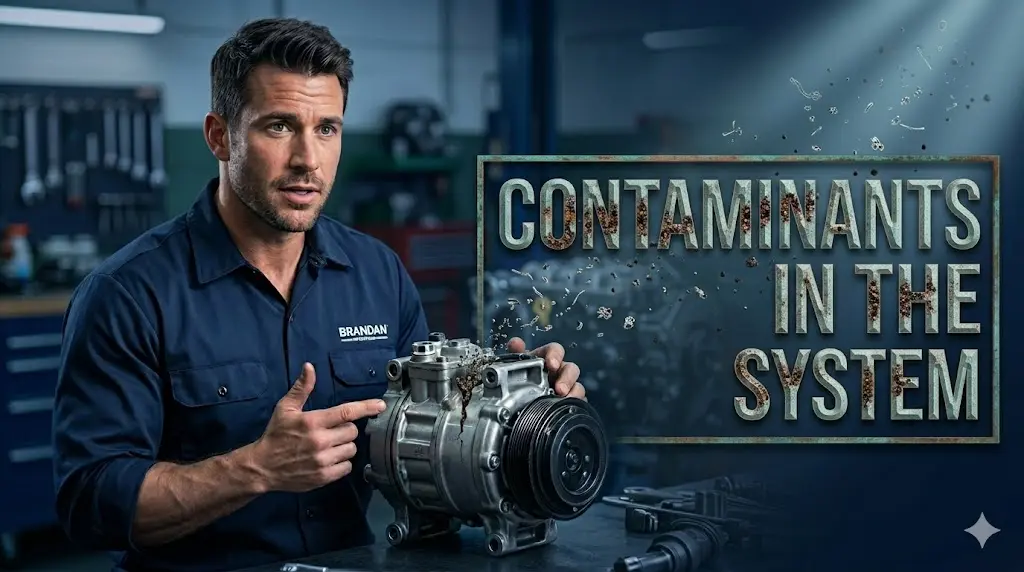
Contaminants in the System
The interior of your refrigerant lines must remain completely clean and dry to work properly. Air, moisture, dirt, and acid are the worst enemies of a healthy outdoor cooling pump. Moisture mixes with regular compressor oil to create a highly destructive acid inside the lines.
This acid eats away at the copper motor windings and creates thick sludge that blocks oil. These internal blockages are a primary cause of AC compressor failure in older residential systems. Keeping the sealed system free of outside air prevents this chemical destruction from happening.
The Threat of Trapped System Moisture
Moisture enters the lines if a technician fails to pull a proper vacuum during installation. This tiny bit of water vapor reacts with the system oil under high heat conditions. The resulting chemical reaction creates a corrosive acid that destroys the machine.
How Sludge Blocks Vital Oil Flow
Acid buildup breaks down the lubricating properties of your compressor oil over several seasons. The oil turns into a thick, black sludge that cannot pass through small internal screens. Without clean lubrication, the heavy metal bearings seize up and stop the motor.
Dirty Coils and Airflow Blockages
Restricted airflow forces your outdoor unit to retain dangerous amounts of heat during hot weather. When your outdoor condenser coil gets caked with dirt, grass clippings, or fallen leaves, heat gets trapped. The compressor must pump much harder to force heat out through that thick layer of grime.
Inside the home, a clogged air filter causes the indoor evaporator coil to freeze up solid. This blockage allows liquid refrigerant to flood back down the lines into the outdoor pump. This flooding triggers major central air problems because pumps cannot compress liquid without breaking internal rods.
Clean Outdoor Fins Save Energy
Your outdoor unit needs plenty of open space to exhaust heat into the surrounding air. If bushes grow too close or cottonwood seeds clog the fins, heat stays trapped inside. The pump runs nonstop at maximum temperature just to move a little heat.
The Threat of Liquid Floodback
Liquid refrigerant returning to the pump is known as liquid slugging in the HVAC industry. Because liquids do not compress like gases, the moving pistons hit a solid wall of fluid. This violent impact instantly snaps steel connecting rods and destroys the valves.
Poor Lubrication and Oil Leaks
Just like a car engine, your cooling pump requires a specific amount of oil to spin safely. High operating temperatures can cause oil to break down or migrate out into the copper lines. If the oil level drops too low, metal parts scrape directly against each other at high speeds.
This friction leads to mechanical seizing, which is one of the clearest signs of AC compressor failure. You will often hear a loud, metallic screeching sound right before the system shuts down forever. Maintaining proper oil levels through regular professional service keeps these heavy metal parts sliding smoothly.
How Low Oil Seizes Moving Bearings
Without a thin layer of oil, the main crankshaft bearings generate extreme friction heat instantly. The metal parts expand from the heat until they lock tightly against each other. Once seized, the motor cannot turn even if it receives full electrical power.
Finding Hidden Oil Stains on Lines
Oil leaks usually happen right alongside refrigerant leaks because the oil travels with the chemical gas. If you notice greasy spots on your outdoor copper lines, oil is actively escaping your system. Getting these leaks sealed immediately preserves the life of your expensive pump.
Preventative Maintenance is Key
The best way to avoid a major breakdown is to schedule regular professional cooling tune-ups. A certified technician can catch hidden electrical flaws, clean dirty coils, and check refrigerant pressures easily. Spending a little on maintenance prevents you from facing a massive replacement bill unexpectedly.
Simple tasks like changing your indoor air filter every month protect the outdoor pump from damage. Keeping weeds cut back two feet from the outdoor cabinet also ensures excellent airflow all summer. Taking these easy steps keeps your cooling system running efficiently for its full expected lifespan.
Professional Diagnostics and Care
If you suspect your system is struggling, avoid running it until a professional takes a look. Continuing to run a failing unit turns a simple repair into a total system replacement. Special tools are required to safely measure electrical draws and check for internal chemical acid.
Expert technicians can identify the exact root cause of your system performance issues within minutes. They ensure your lines stay clean, dry, and properly balanced for the local weather conditions. Trusting professionals with your cooling equipment protects your home comfort and your wallet.
Get Expert Cooling Help in Pittsburgh
Don’t wait for your cooling system to quit during the hottest week of the summer season. The team at NEAR Heating & Cooling HVAC is ready to keep your home perfectly comfortable. We specialize in fast diagnostics, thorough coil cleanings, and professional system maintenance across the Pittsburgh area. Our certified technicians have the tools to spot compressor issues before they turn into costly breakdowns. Call NEAR Heating & Cooling HVAC at (412) 532-8207 today to schedule your system check.
FAQS
Can an AC compressor be repaired, or does it always need to be replaced?
Internal mechanical failures almost always require a complete replacement of the entire compressor unit. Minor external electrical issues, like bad capacitors, can be easily swapped out to save the pump.
How long does an AC compressor typically last before failing?
A well-maintained cooling pump usually lasts between ten and fifteen years in our local climate. Poor airflow and neglected maintenance can easily cut that operating lifespan in half.
What does a failing AC compressor sound like when it runs?
You will usually hear loud clicking, rattling, or sharp screeching sounds when the pump starts up. A completely seized motor will make a loud, low humming sound without spinning.