If you’re planning on installing an AC unit, one of the first questions you’ll ask is how much it will cost. The answer depends on several factors. AC installation cost can vary based on the type of system, home size, labor requirements, and any extra work needed. Understanding these factors helps you budget better and avoid surprises during the installation process.
What Is the Average AC Installation Cost?
The average AC installation cost depends on the type of cooling system you choose. A basic installation may cost less, while larger systems or complex projects can increase the final price. Homeowners in Longmont often see different pricing based on property size and existing HVAC equipment.
Professional AC installation usually includes labor, equipment setup, testing, and system calibration. Some projects may also require permits or electrical upgrades. Because every home is different, getting a detailed estimate is always the best approach.
Typical Cost Ranges for Different AC Systems
Window units are usually the most affordable option. Central air systems cost more because they serve the entire home. Ductless mini-split systems often fall somewhere in between.
The final price depends on installation difficulty, energy efficiency ratings, and system capacity. Higher-efficiency units typically cost more upfront but can lower monthly energy bills over time.
How Does the Type of AC System Affect Pricing?
The type of air conditioning system plays a major role in installation costs. Some systems require extensive labor, while others are relatively simple to install.
For homeowners in Longmont, choosing the right system depends on budget, home layout, and cooling needs. A larger home may benefit from central air, while a smaller property could work well with a ductless or window unit.
Central Air Conditioning Installation
Central air systems provide whole-home cooling. They connect to existing ductwork and distribute conditioned air throughout the house.
Installation costs are generally higher because the process involves more labor and equipment. If ductwork repairs or modifications are needed, costs can increase further.
Ductless Mini-Split Installation
Mini-split systems offer flexible cooling without traditional ducts. They work well for home additions, garages, and older homes.
Although equipment costs can be higher, installation is often less invasive. This can reduce labor expenses compared to central air systems.
Window AC Installation
Window units are typically the least expensive cooling option. However, costs can still vary depending on the unit size and installation requirements.
Homeowners searching for how to install window AC often discover that proper placement and support are important for safety and performance. Professional window AC installation can help prevent air leaks and installation mistakes.
Why Does AC Unit Size Impact Installation Cost?
AC size directly affects both equipment and installation expenses. Larger units cost more and may require additional modifications to your home’s electrical or HVAC systems.
Choosing the correct size is critical. An oversized unit may cycle too frequently, while an undersized system may struggle to cool the home properly.
Professional AC installation companies perform load calculations to determine the right capacity. This helps improve comfort and energy efficiency while preventing future performance issues.
What Happens if the Unit Is Too Large or Too Small?
A system that is too large can waste energy and create uneven temperatures. A unit that is too small may run constantly and wear out faster.
Proper sizing protects your investment and helps keep long-term operating costs under control.
How Do Labor Costs Affect AC Installation Pricing?
Labor is one of the biggest parts of any AC installation cost. The complexity of the project often determines how many hours technicians need to complete the work.
Simple installations may require only a few hours. More complicated jobs can take an entire day or longer. Homes with difficult access points may also require additional labor.
In Longmont, labor costs may vary depending on the contractor’s experience, licensing, and the scope of work involved.
What Is Included in Professional AC Installation?
Professional AC installation often includes:
- Equipment placement
- Electrical connections
- Refrigerant line installation
- System testing
- Safety inspections
- Performance checks
These services help ensure the system operates efficiently from day one.
Does Existing Ductwork Affect Installation Costs?
Yes. Existing ductwork can significantly influence the overall project price. If your ducts are in good condition, installation may be more straightforward and affordable.
Older homes sometimes have damaged, leaking, or undersized duct systems. In these situations, repairs or replacements may be necessary before the new AC system can function properly.
Homeowners in Longmont and nearby Boulder often encounter ductwork issues in older properties. Addressing these problems during installation can improve airflow and energy efficiency.
When Should Ductwork Be Replaced?
Duct replacement may be recommended if there are major leaks, poor airflow, or significant age-related damage.
Although this adds to the initial cost, upgraded ductwork can improve comfort and reduce energy waste over time.

Do Energy-Efficient AC Units Cost More to Install?
Energy-efficient systems generally have higher upfront costs. However, they often deliver long-term savings through lower energy consumption.
Many homeowners focus only on installation expenses. It’s also important to consider monthly utility costs. A more efficient unit may reduce cooling expenses for years.
Professional installers can help compare efficiency ratings and recommend systems that fit both your budget and cooling needs.
Are High-Efficiency Systems Worth the Investment?
For many homeowners, the answer is yes. Energy-efficient systems can lower operating costs and improve indoor comfort.
The best choice depends on your home, climate, and how long you plan to stay in the property.
What Additional Costs Should Homeowners Expect?
Many installation projects include costs beyond the air conditioning unit itself. Understanding these expenses helps create a more accurate budget.
Additional charges may vary depending on local building requirements and home conditions.
Common extra costs include:
- Permit fees
- Electrical upgrades
- Thermostat replacement
- Ductwork repairs
- Refrigerant line replacement
- Disposal of old equipment
Not every project requires these services, but they can increase the final installation price.
Do Permits Increase Installation Costs?
In many cases, yes. Local regulations may require permits for HVAC installations.
Permits help ensure the work meets safety and building standards. While they add to the project cost, they also provide important protections for homeowners.
Should You Choose Professional AC Installation?
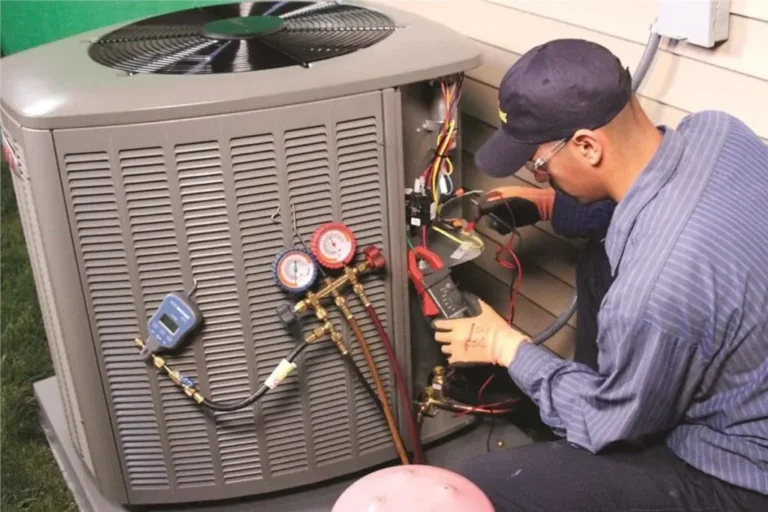
Professional AC installation helps ensure the system is installed safely and correctly. Air conditioning equipment involves electrical components, refrigerant systems, and precise calibration.
Attempting a DIY installation can lead to performance issues, reduced efficiency, and costly repairs. Even homeowners researching installing an AC unit often find that professional service provides better long-term results.
Qualified technicians understand local codes, manufacturer requirements, and proper installation procedures.
What Are the Benefits of Hiring Professionals?
Professional installation offers several advantages:
- Correct system sizing
- Improved energy efficiency
- Manufacturer warranty protection
- Safe electrical work
- Reliable performance
- Reduced risk of future repairs
These benefits often outweigh the initial labor cost.
How Can You Save Money on AC Installation?
Saving money doesn’t always mean choosing the cheapest system. The goal is to maximize value while meeting your cooling needs.
Start by comparing multiple estimates from licensed HVAC contractors. Ask for detailed breakdowns so you understand exactly what is included.
Homeowners in Longmont should also explore available rebates and energy-efficiency incentives. Some programs can reduce the overall project cost.
Smart Ways to Reduce Installation Expenses
Consider these strategies:
- Schedule installation during slower seasons
- Compare several contractor quotes
- Improve home insulation
- Choose the correct system size
- Take advantage of available rebates
These steps can help lower both installation and operating costs.
FAQ
How much does professional AC installation usually cost?
Professional AC installation costs vary based on system type, home size, and labor requirements. Central air systems generally cost more than window units because they involve additional equipment and installation work. The best way to determine pricing is through an in-home assessment. A professional estimate provides a clear breakdown of equipment, labor, and any additional services required.
Is installing an AC unit a good DIY project?
Installing an AC unit can be challenging for most homeowners. Modern systems require electrical work, refrigerant handling, and precise setup procedures. Small mistakes can affect efficiency and performance. While some people may install basic window units themselves, professional AC installation is usually the safest and most reliable option for larger systems.
Does professional window AC installation make a difference?
Yes. Professional window AC installation helps ensure the unit is secure, level, and properly sealed. This can improve energy efficiency and reduce air leaks. It also lowers the risk of installation errors that could affect system performance or create safety concerns. Many homeowners find the added peace of mind worth the cost.
Why do AC installation costs vary between homes?
Every home has unique requirements. Factors such as square footage, insulation levels, ductwork condition, electrical systems, and installation complexity all affect pricing. Homes in Longmont and Boulder may also have different building requirements. A customized estimate provides the most accurate picture of total installation costs.
Are energy-efficient AC systems worth the higher upfront cost?
Many homeowners find that high-efficiency systems provide strong long-term value. Although the initial investment is often higher, energy savings can help offset the cost over time. These systems may also improve comfort and reduce strain on the equipment. The potential benefits depend on usage patterns and local energy rates.
How can I get an accurate AC installation estimate?
The best approach is to schedule an evaluation with a qualified HVAC contractor. The technician can assess your home’s cooling needs, inspect existing equipment, and recommend suitable options. A detailed estimate should include equipment costs, labor, permits, and any additional work required. This helps prevent unexpected expenses later in the project.