
A complete HVAC system installation involves your home’s entire heating and cooling infrastructure. It includes the furnace, the central air condenser and evaporator coil, the ductwork, and the thermostat. In many cases, it also involves the electrical and gas connections that serve the system. Done correctly, a new HVAC system will run efficiently for 15 to 20 years. Done poorly with undersized equipment, you’ll pay in higher energy bills and premature equipment failures every year until the system is replaced again.
The single most important technical step in any HVAC installation is equipment sizing. It is also the step that’s most often skipped by many Pittsburgh HVAC companies looking to move quickly. Equipment sizing is not based on square footage alone. It accounts for your home’s insulation levels, ceiling height, and local design temperatures. Pittsburgh’s climate data shows heating design temperatures well below zero and cooling design conditions that combine both heat and humidity load.
NEAR Heating & Cooling HVAC manages full HVAC system installations from initial assessment through final commissioning. Our licensed technicians handle everything from equipment selection and ductwork evaluation to refrigerant line and electrical connection installation. We don’t subcontract the critical technical work, and we don’t substitute specified equipment without customer approval and a clear explanation of why.
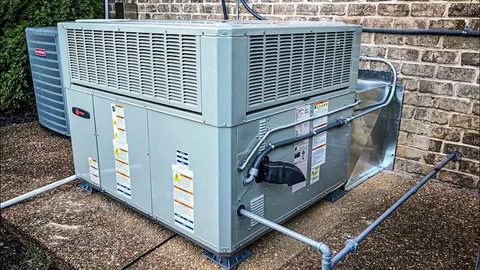
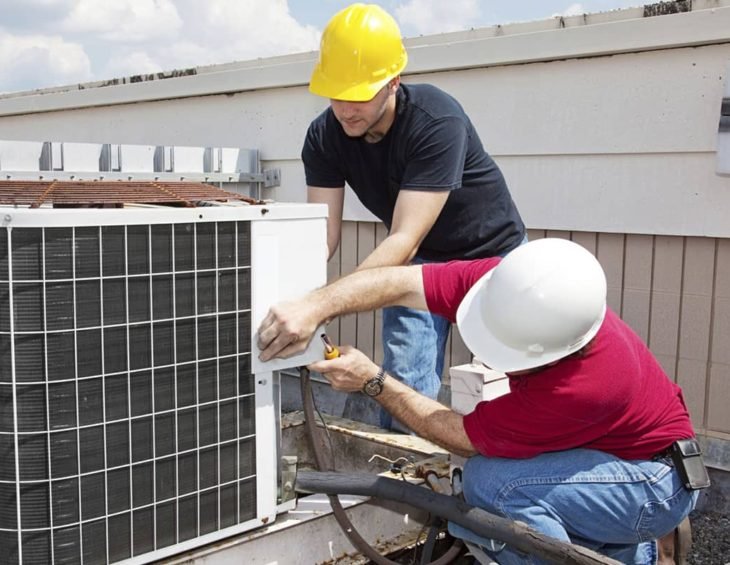
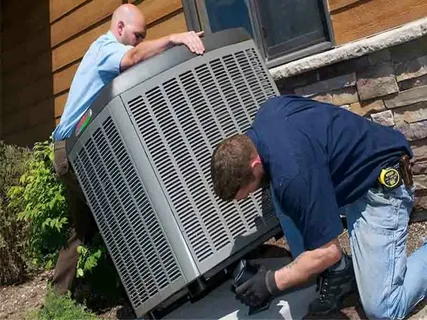
The two most common residential HVAC configurations in Pittsburgh are the split system and the heat pump system.
Natural gas heating is cost-effective in this region. Heat pumps lose efficiency at the low temperatures Pittsburgh regularly sees in January and February. Hence, gas furnace and AC combinations of the split system remain the practical standard in most Pittsburgh homes. That said, heat pumps can be an efficient supplement to gas heating during moderate shoulder-season temperatures.
For situations where ductwork doesn’t exist or is in poor condition, ductless mini-split systems offer an alternative. They avoid the efficiency losses inherent in leaky or undersized duct systems. A high-SEER2 multi-zone mini-split installation can deliver meaningful operating cost savings over a central system with poor duct performance. Our experts walk customers through the full cost and performance comparison before any equipment decision is made. So the choice is based on actual numbers rather than a sales preference.
From 100-year-old brick rowhouses in Bloomfield and Polish Hill to new construction in the suburbs of Allegheny County, each presents different installation challenges. Older homes often have undersized ductwork originally designed for lower-velocity systems and limited equipment space. Their gas lines need evaluation before supporting a new high-BTU furnace installation in Pittsburgh. NEAR Heating & Cooling HVAC has installed systems across this full range of Pittsburgh housing conditions and understands what each type of installation realistically requires.
HVAC stands for Heating, Ventilation, and Air Conditioning. A split HVAC system has an indoor unit and an outdoor unit that work together to keep your home comfortable. The outdoor unit creates the heating or cooling, while the indoor unit pushes the warm or cool air through your home’s vents and into each room.
A standard split system replacement typically takes six to eight hours for an experienced installation crew. More complex projects involving new ductwork, electrical panel upgrades, or zoning system installation take one to two days depending on the scope of work involved.
The primary types are split systems, packaged units, ductless mini-splits, and heat pump systems. Split systems are most common in Pittsburgh homes. Packaged units combine all components in one outdoor cabinet. Ductless mini-splits serve spaces without duct infrastructure. Heat pumps handle both heating and cooling through a single refrigerant circuit.
A complete split system replacement in Pittsburgh (furnace and central AC) usually ranges from $7,000 to $14,000 depending on system size and ductwork condition. Ductless mini-split systems and heat pump installations vary based on the number of zones and required electrical work.
HVAC installation requires EPA 608 certification for refrigerant handling, Pennsylvania mechanical contractor licensing, and a permit. Beyond legal requirements, improper installation voids manufacturer warranties. Given the genuine safety risks on gas systems, this is not a DIY-appropriate project under any circumstances.