
We observe a common pattern in HVAC service calls across Pittsburgh. Homeowners mostly call in July because their AC stopped cooling, or in December because their furnace quit overnight. This kind of failure is the end result of a slow-developing problem because of poor HVAC maintenance. When a capacitor or a condenser coil finally gives up after repeated neglect, the emergency service call costs more, the repair is larger, and the discomfort is real.
Preventive HVAC maintenance is all about catching the predictable mechanical and electrical problems early. A capacitor that tests at 70 percent of its rated microfarad value will soon fail under peak load. It is not a matter of if, only when. Cleaning a condenser coil before summer restores its heat rejection capacity and extends compressor life measurably. These improvements are the direct result of specific maintenance tasks performed at the right time.
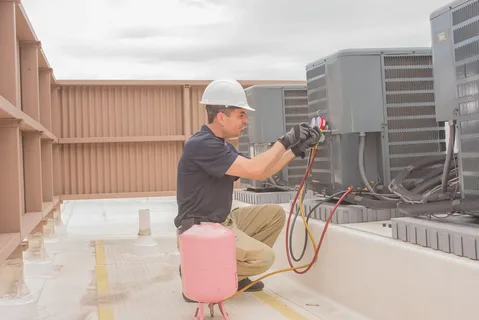
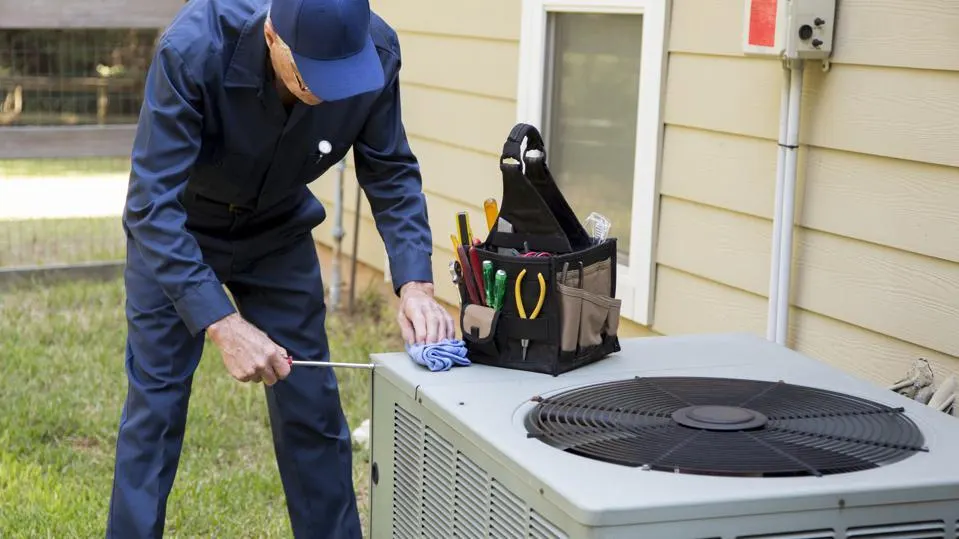
Our seasonal visits for HVAC maintenance in Pittsburgh PA cover both the mechanical and electrical systems within your heating and cooling equipment. Our licensed technicians flag components that are approaching the end of their reliable service life. It helps you plan for repair or replacement on your terms rather than in the middle of a heatwave or cold snap. We also document the findings in detail on every visit.
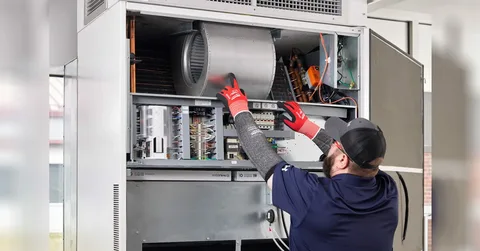
A proper furnace tune-up involves the combustion system, not just the filter and blower. Our local technicians perform combustion analysis to verify that the burner is achieving complete combustion at the right air-to-fuel ratio. An improper mixture either wastes gas through incomplete combustion or creates excess carbon monoxide as a byproduct. We clean the burner assembly ports and inspect the crossover igniters where present. We also verify that manifold gas pressure falls within the manufacturer’s rated operating range.
Heat exchanger inspection is a non-negotiable part of heating maintenance in Pittsburgh PA. A cracked exchanger in a gas furnace results in a serious carbon monoxide hazard. In many cases, it won’t trigger a fault code or cause an obvious performance change. We confirm the exchanger’s integrity through visual inspection, combined with combustion gas sampling at the supply registers. We also check flue pipe connections and vent termination to make sure combustion gases are exiting the home, not recirculating.
Pittsburgh’s seasonal extremes mean your heating and cooling systems both operate under real demand for extended periods each year. A furnace running from October through April and a central air system carrying the load from June through September don’t get much downtime. This operational intensity makes scheduled HVAC maintenance in Pittsburgh more important than in milder climates. NEAR Heating & Cooling HVAC offers both one-time seasonal tune-ups and annual maintenance agreements for homeowners who want consistent care and priority scheduling.
Replace your air filter every one to three months depending on household dust levels and whether you have pets. Keep the area around your outdoor condenser unit clear of debris, vegetation, and obstructions. Check that all supply and return vents are open and unblocked by furniture throughout the home.
Air-conditioning maintenance covers refrigerant pressure verification, coil cleaning, electrical component testing, and thermostat calibration. Furnace tune-ups include heat exchanger inspection, combustion analysis on gas systems, and a full airflow evaluation across the supply and return system.
Consistent maintenance reduces the risk of emergency repairs and extends equipment lifespan by three to five years on average. It also maintains manufacturer warranty compliance and keeps the system operating at its rated efficiency, which directly reduces monthly heating and cooling costs over the life of the equipment.
At minimum, annual professional tune-ups should be done on both the heating and cooling systems. Additionally, perform quarterly filter changes, condenser coil cleaning each spring, and combustion system inspection each fall. Systems over ten years old benefit from more frequent electrical component evaluations given age-related capacitor and contactor degradation.
Run capacitors are the single most frequently replaced component across residential HVAC systems. They support the start and run cycles of both the compressor and condenser fan motor. They degrade gradually with heat exposure and typically fail during peak summer demand.