
When an air conditioner starts behaving differently, it is telling you something is wrong. Some specific signs include running longer cycles, producing less cooling, and making an unusual noise. The mistake most homeowners make is that they wait to see if the problem resolves itself. But in most cases, the problem escalates further instead of resolving. A refrigerant leak will eventually cause compressor damage by making it run against a liquid slug rather than compressing gas. And compressor damage is one of the most expensive kinds of AC repair in Pittsburgh.
Pittsburgh’s summer humidity further worsens the discomfort of a malfunctioning AC. An air conditioner that is not cooling properly also isn’t able to dehumidify effectively, since both depend on the refrigerant being at the correct charge level. Low refrigerant, a dirty coil, or a failing metering device reduce refrigerant flow through the evaporator. These are diagnosable conditions with clear repair paths when a trained air conditioning repair technician evaluates them properly.
NEAR Heating & Cooling HVAC diagnoses and repairs central split systems, packaged units, and ductless mini-split systems throughout Pittsburgh. We don’t hand customers a list of possible causes without committing to a diagnosis. We use manifold gauges, multimeters, and amp clamps to confirm exactly what has failed. Then we provide a flat-rate repair quote before fixing or repairing any parts.
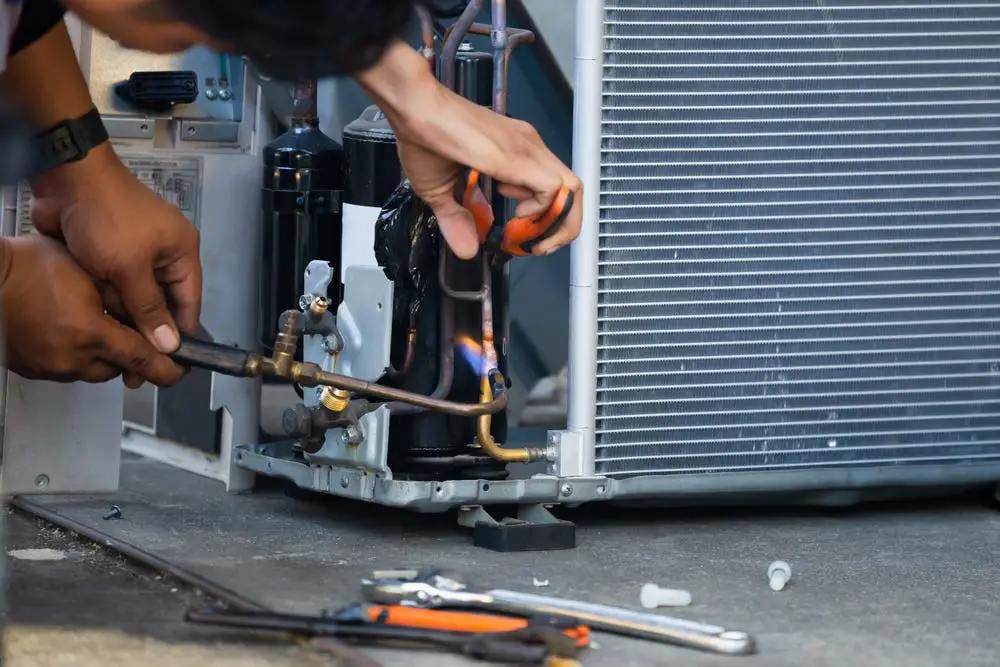
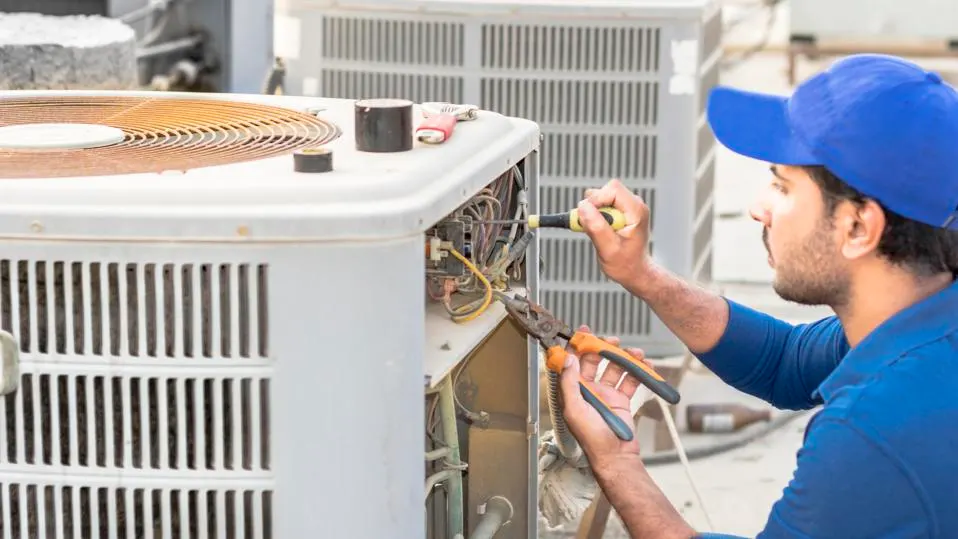
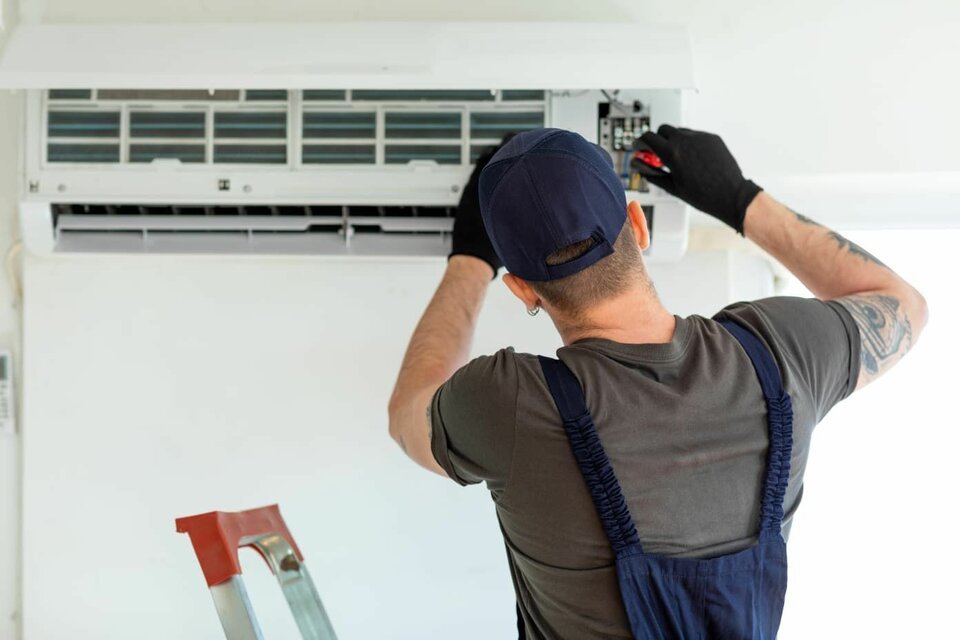
This is the most common complaint our technicians respond to during Pittsburgh’s summer season. The first step in diagnosis is taking suction and discharge pressure readings to determine the refrigerant circuit’s operating state. Low suction pressure with elevated superheat typically indicates refrigerant undercharge from a leak. Low suction pressure with low superheat and a frosted evaporator coil points more toward a restricted metering device or severe airflow restriction across the coil.
A system that is properly charged but still not cooling often has a mechanical issue with the compressor. There can also be an airflow problem on the condenser side. Cottonwood debris, which is a seasonal issue throughout Pittsburgh, heavily fouls condenser coils. It reduces the system’s ability to reject heat. A professional air conditioning service in Pittsburgh would clean the condenser coil in this scenario as a direct repair that restores the system’s heat rejection capacity.
Pittsburgh homeowners have to deal with a combination of heat, humidity, and seasonal cottonwood and pollen. The latter specifically leads to condenser fouling issues that peak in late May. It puts real strain on outdoor condensing units and coil surfaces. Moreover, refrigerant leak rates accelerate in older copper line sets common in Pittsburgh’s 1970s and 1980s construction.
NEAR Heating & Cooling HVAC has been repairing cooling systems across the Pittsburgh area for over a decade, and we understand the failure patterns specific to this climate. Schedule your appointment now to benefit from one of the best air conditioning repair companies in Pittsburgh PA.
Most common residential AC repairs in Pittsburgh fall between $150 and $600. Capacitor or contactor replacements run on the lower end. Compressor replacement ranges from $1,500 to $3,000+ and often makes replacement the more cost-effective decision on systems over ten years old.
The most frequent causes are refrigerant undercharge from a leak or a fouled condenser coil restricting heat rejection, or a failed run capacitor reducing compressor efficiency. It can also be caused by a frozen evaporator coil due to severely restricted airflow through a clogged filter.
Capacitor replacement is the most frequent single repair we perform on residential condensing units. Run capacitors degrade with repeated thermal cycling and typically fail during peak summer load. Their failure causes the compressor to stop starting or to run at reduced efficiency.
Hard starting is a primary sign of a failing compressor. The system trips the breaker or cycles off on thermal overload shortly after startup. Other indicators include warm air from supply vents despite the outdoor unit running, and loud clanking from the condensing unit.
Six of the most obvious signs pointing to AC problems are: