You walk into your living room on a hot day and step into a puddle. Your indoor air conditioner unit is dripping all over the floor right now. A pool of water around the system can cause real damage to your drywall and floors. You need to handle this puddle fast before mold starts to grow inside your home.
Your cooling system naturally makes a lot of moisture while it cools down your hot indoor air. That water should flow safely outside through a plastic pipe without causing any mess. When things go wrong with the drain path, you end up with an AC leaking water. Let us look at why this happens and how you can fix it.
Why Your Cooling System Makes Extra Water
Your indoor cooling coils get very cold when the system runs a normal cooling cycle. The warm air in your home hits these cold metal coils and creates wet condensation. This process works just like a cold glass of ice water sitting outside on a hot summer afternoon.
The system needs a clear path to send all that extra moisture out of your living space. If any part of that internal path gets blocked, you will see your AC dripping inside. Understanding this wet process helps you see why keeping the system clean prevents water damage.
A Clogged Condensate Drain Line Is the Top Cause
Algae and thick slime love to grow inside the warm, wet pipes of your cooling setup. Over time, this goo builds up and creates a firm plug that stops all water flow. The moisture backs up quickly and pours right over the edges of your indoor plastic pan.
You can fix this issue yourself if you know the right steps to clear the pipe. Learning how to clear a clogged AC drain line keeps the system running dry and safe. Most homeowners can clear the blockage using a regular wet and dry vacuum from the garage.
How to Use a Wet Vacuum to Clear the Clogged Condensate Drain
Go outside and find the white plastic drain pipe near the foundation of your house. Attach the flexible hose of your wet vacuum tightly to the end of the drain pipe. Wrap a towel around the connection to make a tight seal so the vacuum pulls hard.
Turn the vacuum machine on and let it run for a few full minutes to pull the blockage. This suction pulls out the thick algae, dirt, and trapped water that caused the bad backup. Check the vacuum bucket to see if the dark slime and wet plug came out.
Using Simple Household Vinegar for Regular Maintenance
Go back inside your home and find the plastic T-shaped access cap on your drain line. Pour one cup of regular white vinegar down the open pipe to kill remaining bacteria. The vinegar breaks down the stubborn slime and keeps the plastic line clean for months.
Perform this easy cleaning step every few months during the hot summer cooling season. This simple routine prevents algae from forming a new plug inside the dark drain pipe. Keeping the line clear ensures you never have to deal with unexpected indoor water puddles.
A Damaged or Rusted Drain Pan Will Leak
The drain pan sits directly under the indoor cooling coils to catch every single drop. Older systems often have metal pans that rust out and develop small holes over time. Newer systems use plastic pans that can crack if the unit shifts or gets too hot.
Water will drip straight through those tiny cracks onto your floor before reaching the main pipe. You need to inspect the pan with a bright flashlight to find these small leaks. A cracked pan always needs a fast replacement to protect your home from rotting wood.
Dirty Air Filters Can Cause Ice to Form
A dirty air filter blocks the warm air from flowing smoothly over the cold cooling coils. Without proper airflow, the coils get too cold and freeze into a solid block of ice. The system stops cooling your home and starts building up a thick layer of frost.
When the system turns off, that solid block of ice melts into a huge rush of water. This sudden flood of water overflows the small pan because it melts too fast to drain. Changing your air filter every single month stops this icy mess from ever starting.
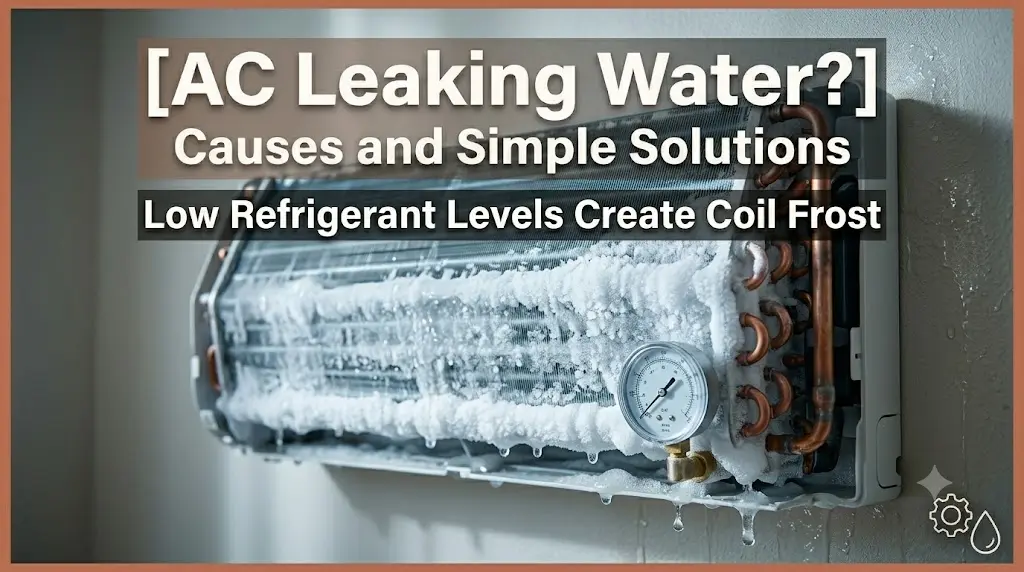
Low Refrigerant Levels Create Coil Frost
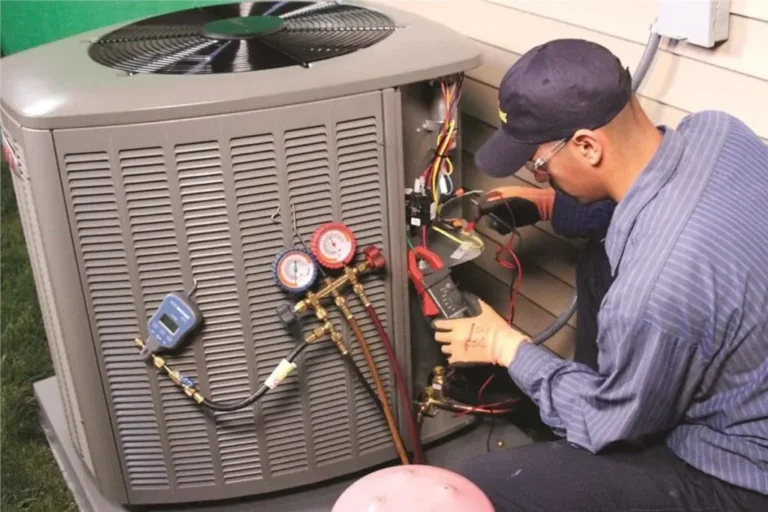
Your system needs the right amount of cooling fluid to manage home heat levels correctly. When the refrigerant runs low, the pressure drops, and the coils freeze up just like a dirty filter. This issue requires professional tools to find the tiny leak and add more fluid safely.
Do not try to fix a low refrigerant issue by yourself because the chemicals are dangerous. A technician must seal the leak before adding more fluid to bring back the right pressure. Fixing the underlying leak keeps your system running at the right temperature without freezing up.
Improper Air Conditioner Installation
Sometimes a system is not set up level on the ground or floor mount during installation. If the unit tilts the wrong way, water flows away from the drain hole instead of into it. The moisture builds up in the low corner of the pan and spills right over.
This installation mistake requires a professional eye to level the system and fix the poor pitch. Correcting the tilt allows gravity to pull the water toward the drain pipe as intended. Proper alignment ensures the water moves out of your home without spilling onto your floors.
Broken Condensate Pump Issues
Some systems sit in basements where water cannot flow out using simple gravity alone. These setups use a small electric pump to push the collected water up and out of the house. If the pump motor burns out, the water stays in the tank and overflows.
Check the power cord to make sure the pump is getting electricity from the wall outlet. If the pump has power but does not run, the internal motor is likely dead. Replacing a broken pump stops the basement floor from flooding when the cooling system runs.
Simple Tips to Avoid Water Damage Today
You can take action right now if you see your air conditioner’s condensation dripping down. Turn off the cooling system at the thermostat immediately to stop the water production process. Shutting the system down prevents more water from pooling and ruining your expensive household floors.
Clean up the standing water with old towels to protect your wood and drywall from stains. Use a flashlight to see if you can spot the exact spot where water leaks out. Knowing the source helps you explain the problem clearly when you call for expert help.
Professional Solutions for Your Peace of Mind
Some water leaks require special tools and expert training to fix without breaking the system. A certified technician can test your lines, check pressures, and find hidden cracks within minutes. Getting professional help ensures your system gets fixed right without any guesswork or dangerous mistakes.
Regular maintenance visits keep your system clean and stop leaks before they start causing damage. Technicians clean the coils and clear the lines during a standard comfort tune-up visit. Investing in annual maintenance saves you money on major repairs and keeps your home dry.
Keep Your Pittsburgh Home Dry and Comfortable
You do not have to fight a leaking cooling system alone this summer. The local team at NEAR Heating & Cooling HVAC is ready to fix your system fast. We bring expert tools and years of field experience to every single home repair job.
Our certified technicians serve homeowners across the entire Pittsburgh area with honest, reliable repair services. We find the root cause of your leak and fix it right the first time out. Call NEAR Heating & Cooling HVAC at (412) 532-8207 today to schedule your air conditioning repair appointment.
FAQS
Is it safe to run my air conditioner if it is leaking water inside?
No, you should turn off the system immediately to prevent electrical shorts and severe water damage. Running a leaking unit can ruin your drywall, grow toxic mold, and damage internal components.
How can I tell if my AC drain line is clogged?
You will see water overflowing from the indoor unit pan or notice the system shutting down completely. The indoor air might also feel extra humid, and you may smell mold near the closet.
How often should I clean my air conditioner’s drain line?
You should clean the plastic line with vinegar twice a year to stop algae growth. Cleaning the pipe before summer starts and right after it ends keeps the water flowing freely.
Why is my window air conditioner leaking water inside the room?
The window unit is likely tilted forward into the room instead of backward toward the outside yard. Adjusting the tilt lets gravity send the condensation out to the grass instead of your floor.