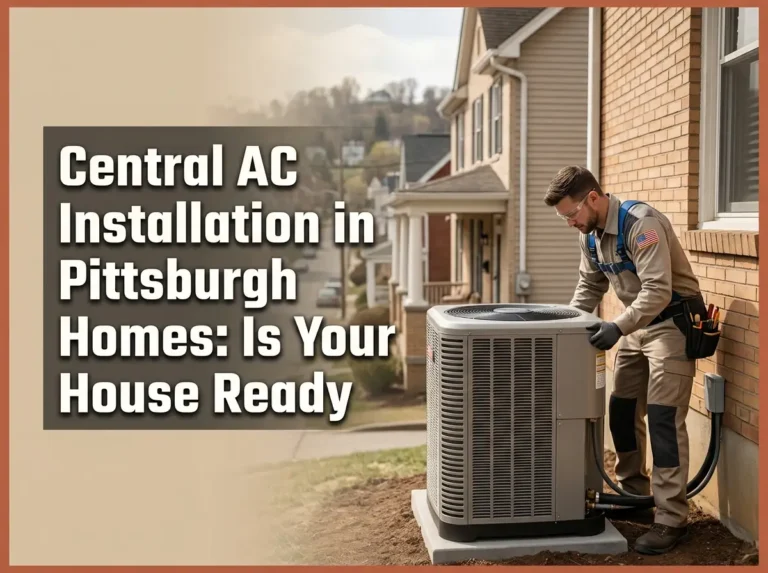
Thinking about central AC installation Pittsburgh homeowners trust is a smart move, especially as summers become warmer and more humid. A central air system can improve comfort, boost indoor air quality, and increase your home’s value. Before installing a new unit, it’s important to understand whether your house is ready. Factors like ductwork condition, system sizing, insulation, and electrical capacity all play a role in a successful installation.
Why Do Homeowners Choose Central AC in Pittsburgh?
Many Pittsburgh homes were built before central air became common. While window units and portable systems can provide temporary relief, they often struggle to cool an entire house efficiently.
A central air system delivers consistent temperatures throughout the home. It can also improve energy efficiency and reduce indoor humidity levels. For many homeowners, the upgrade creates a more comfortable living environment year-round.
What Are the Main Benefits of Central Air?
Central air offers several advantages over individual cooling units. It cools multiple rooms evenly and operates more quietly than many window systems.
Homeowners also appreciate the convenience of controlling temperatures from a single thermostat. Modern systems can even connect to smart home technology for greater control and efficiency.
How Do You Know If Your Home Is Ready for Central AC Installation?
Not every house is immediately prepared for a new cooling system. Before installation begins, a professional evaluation is essential.
Experienced contractors assess the home’s layout, insulation, electrical system, and ductwork. This helps identify upgrades that may be needed before installation.
Why Is a Professional Home Assessment Important?
A professional inspection helps prevent costly mistakes. It ensures the system selected can effectively cool the entire home.
Qualified technicians also identify issues that could reduce performance later. Addressing these concerns early often saves money and improves long-term comfort.
What Is an HVAC Load Calculation and Why Does It Matter?
One of the most important steps in the installation process is an HVAC load calculation. This calculation determines how much cooling your home actually needs.
Many homeowners assume larger systems provide better cooling. In reality, an oversized unit can create comfort and efficiency problems.
How Is an HVAC Load Calculation Performed?
Contractors evaluate several factors when calculating cooling requirements. These include square footage, ceiling height, insulation levels, window placement, and occupancy.
The calculation provides accurate information about the ideal system size. This helps avoid energy waste while maintaining consistent indoor comfort.
What Happens If the System Is Too Large or Too Small?
An oversized system cools quickly but may not remove enough humidity. This can leave the home feeling damp and uncomfortable.
A system that is too small may run constantly while struggling to maintain desired temperatures. Both situations increase energy consumption and shorten equipment lifespan.
Does Your Home Need a Central Air Ductwork Inspection?
A central air ductwork inspection is often necessary before installation. Ductwork serves as the delivery system for cooled air throughout the house.
If ducts are damaged, leaking, or improperly sized, the system may not perform efficiently. Even a high-quality air conditioner cannot overcome significant duct issues.
What Problems Are Common in Older Duct Systems?
Many older Pittsburgh homes have ductwork that has deteriorated over time. Common issues include:
- Air leaks
- Crushed ducts
- Poor insulation
- Dust buildup
- Improper airflow design
These problems reduce efficiency and can increase monthly energy bills.
Can Existing Ductwork Be Reused?
In many cases, existing ductwork can be repaired and reused. However, some homes require modifications or complete replacement.
A professional inspection helps determine whether current ducts can support a new central air system effectively.
Why Is Proper Installation So Important?
Even the best equipment can perform poorly if installation is rushed or incomplete. That’s why choosing experts in Professional HVAC installation Pittsburgh residents trust is essential.
Proper installation affects efficiency, comfort, reliability, and system lifespan. Every component must work together correctly for optimal performance.
What Does Professional Installation Include?
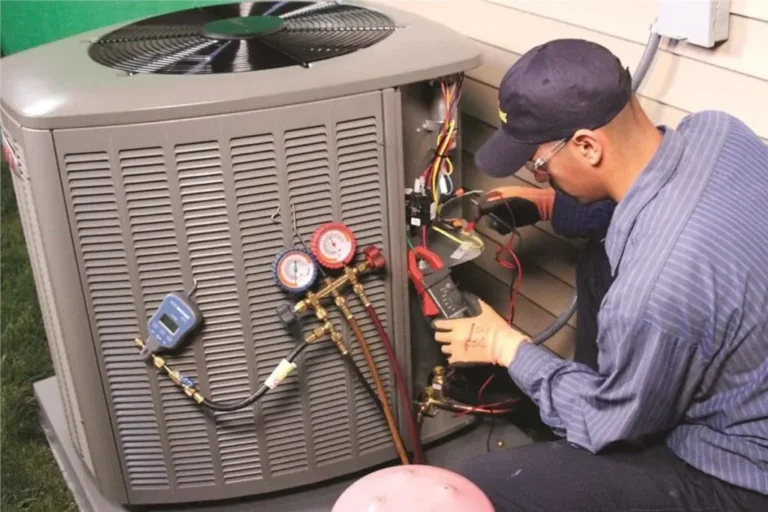
A quality installation involves much more than placing a unit outside the home.
Professional installers typically handle:
- Load calculations
- Equipment sizing
- Ductwork evaluation
- Electrical connections
- Refrigerant charging
- Airflow testing
- System calibration
Each step helps ensure reliable operation from the beginning.
When Should You Consider AC Replacement Instead of Repairs?
Older cooling systems often become less reliable as they age. Frequent breakdowns and rising utility bills can indicate it’s time for an upgrade.
Many homeowners explore AC replacement services Pittsburgh contractors provide when repair costs begin adding up.
What Are Signs You Need a New Air Conditioner?
Several warning signs may indicate replacement is the better option:
- Frequent repairs
- Rising energy costs
- Uneven cooling
- Excessive noise
- Poor humidity control
- Equipment older than 10–15 years
Replacing an aging system can improve efficiency and comfort while reducing maintenance expenses.
How Much Does a New Central Air System Cost in Pittsburgh?
The new central air system cost Pittsburgh homeowners pay depends on several factors. Every home has unique cooling requirements, which means installation costs can vary significantly.
System size, equipment efficiency, ductwork modifications, and labor requirements all affect pricing.
What Factors Influence Installation Costs?
Several elements contribute to the total project cost:
- Home size
- System capacity
- Energy efficiency rating
- Ductwork condition
- Electrical upgrades
- Smart thermostat installation
Obtaining multiple estimates can help homeowners understand local pricing and available options.
Is a High-Efficiency System Worth the Investment?
High-efficiency systems often cost more upfront. However, they can reduce monthly utility bills over time.
For many Pittsburgh homeowners, long-term energy savings help offset the higher initial investment. Improved comfort and quieter operation are additional benefits.
How Can Central AC Improve Indoor Air Quality?
Many people focus on cooling performance while overlooking air quality benefits. Modern systems can contribute to significant indoor air quality improvements throughout the home.
Air filtration, humidity control, and proper airflow all support healthier indoor environments.
Why Does Air Quality Matter?
Indoor air can contain dust, pollen, pet dander, and other airborne particles. Poor ventilation may allow these contaminants to circulate throughout the house.
A properly installed central air system helps filter and manage these pollutants. This can be especially beneficial for individuals with allergies or respiratory concerns.
What Upgrades Improve Indoor Air Quality?
Homeowners may choose additional features to enhance air quality, including:
- Advanced air filters
- Whole-home air purifiers
- UV light systems
- Humidity control equipment
- Improved ventilation systems
These upgrades can work alongside a new central air system for better indoor comfort.
How Long Does Central AC Installation Take?
Most residential installations can be completed within one or two days. However, projects involving ductwork modifications or electrical upgrades may require additional time.
The complexity of the home often determines the final timeline.
What Can Homeowners Expect During Installation?
Installers typically remove old equipment, prepare the installation area, connect system components, and test performance.
Before leaving, technicians should explain system operation and answer any questions. This helps homeowners feel confident using their new equipment.
Why Hire Residential Air Conditioning Installers in Pittsburgh?
Local experience matters when selecting a contractor. Residential air conditioning installers Pittsburgh homeowners trust understand regional climate conditions and building styles.
This knowledge helps ensure the system is designed and installed for optimal performance.
What Should You Look for in an Installer?
When comparing contractors, consider:
- Licensing and insurance
- Experience with residential projects
- Customer reviews
- Warranty options
- Transparent pricing
- Maintenance services
A reputable company should be willing to explain recommendations and provide detailed estimates.
How Can You Prepare Your Home Before Installation Day?
A little preparation can help the installation process go smoothly. Homeowners should clear access to work areas and ensure technicians can reach indoor and outdoor equipment locations.
Communication with the contractor before installation can also help avoid delays.
What Simple Steps Should Homeowners Take?
Helpful preparation steps include:
- Moving furniture away from work areas
- Securing pets
- Trimming vegetation near outdoor units
- Providing clear driveway access
- Discussing any concerns before installation begins
These small actions can make installation day easier for everyone involved.
FAQ
How do I know if my home is ready for central AC installation Pittsburgh homeowners choose?
A professional evaluation is the best way to determine readiness. Contractors inspect insulation, electrical systems, ductwork, and overall home layout. They also perform an HVAC load calculation to determine the proper system size. This assessment helps identify any upgrades needed before installation begins and ensures the system will operate efficiently.
What is an HVAC load calculation?
An HVAC load calculation measures the cooling requirements of a home. It considers factors such as square footage, insulation, window placement, and occupancy levels. The results help contractors choose the correct equipment size. Proper sizing improves efficiency, comfort, humidity control, and equipment lifespan.
Why is a central air ductwork inspection important?
Ductwork carries cooled air throughout the home. If ducts are leaking, damaged, or improperly sized, the system may lose efficiency and struggle to maintain comfort. A ductwork inspection identifies problems before installation. Addressing these issues can improve airflow, reduce energy costs, and enhance overall system performance.
How much does a new central air system cost Pittsburgh homeowners typically pay?
Costs vary depending on home size, equipment efficiency, ductwork condition, and installation complexity. Some homes may require electrical upgrades or duct modifications, which can affect pricing. The best approach is to obtain estimates from qualified contractors who can evaluate your specific cooling needs and recommend suitable options.
Can a new central air system improve indoor air quality?
Yes. Modern systems help filter airborne particles while controlling humidity levels. Many homeowners add advanced filtration systems, air purifiers, or UV technology for additional protection. These upgrades can reduce allergens, dust, and other contaminants, creating a healthier indoor environment.
How long does central AC installation usually take?
Most residential installations take one to two days. Projects involving major ductwork changes, electrical upgrades, or complex home layouts may require more time. Your contractor should provide a project timeline after evaluating the property and determining installation requirements.