Breathing clean air at home is something most people take for granted until problems start showing up. If your rooms feel dusty, your allergies act up indoors, or your home smells stale even after cleaning, your air may not be as fresh as you think. Many homeowners don’t realize that indoor air quality plays a big role in daily comfort and health.
Your HVAC system runs every day to heat or cool your home, but it also moves air through ducts and vents. If that system is dirty or poorly maintained, it can spread dust, allergens, and other pollutants around your home. The good news is that small changes and regular care can make a big difference in how clean your air feels.
Why Clean Indoor Air Matters
Clean air is important because you breathe it all day and night. Poor air can make you feel tired, trigger allergies, and even affect sleep. When indoor air quality is low, your home does not feel as comfortable as it should, even if the temperature is perfect.
Most modern homes are built tightly to save energy. This helps reduce power bills, but it also traps air inside. Without proper airflow and filtration, pollutants build up quickly. That is why your HVAC system needs regular attention to keep air fresh and safe.
What Causes Poor Indoor Air Quality
Many people think dirty air only comes from outside, but most problems start inside the home. Your HVAC system can spread dust and particles if it does not get proper care.
Some common causes include:
- Dirty or clogged air filters
- Dust buildup inside ducts
- Poor HVAC airflow due to blockages
- Mold growth from moisture
- Lack of regular HVAC maintenance
When these problems grow, they slowly reduce comfort and make your home feel stuffy. In many cases, people don’t notice the drop in air quality until symptoms like sneezing or headaches begin.
Signs Your Air Ducts Need Cleaning
Your air ducts work like the lungs of your home. When they get dirty, your whole system suffers. Knowing the warning signs can help you act early.
Watch for these signs your air ducts need cleaning:
- Dust comes out of vents when the system starts
- Rooms feel uneven in temperature
- You notice musty or strange smells
- Allergy symptoms get worse indoors
- You clean often, but dust keeps coming back
If you see these issues, your system may need air system cleaning. Clean ducts help air move freely and keep your home feeling fresh again.
How Your HVAC System Affects Air Quality
Your HVAC system does more than control temperature. It controls how air moves through your home. If it works well, it spreads clean, filtered air evenly. If it struggles, it spreads dust and pollutants instead.
Good HVAC airflow helps your system run smoothly and keeps every room comfortable. But when filters are dirty or parts are clogged, airflow becomes weak. This forces your system to work harder and lowers air quality at the same time.
Regular servicing helps your system stay clean and efficient. It also reduces wear and tear, which saves money in the long run.
Does Duct Cleaning Really Help Air Quality?
Many homeowners ask this question: does duct cleaning improve air quality? The answer is yes but only in the right situations.
If your ducts have heavy dust buildup, mold, or debris, cleaning can make a noticeable difference. It helps remove trapped particles that your HVAC system keeps circulating.
However, duct cleaning works best when combined with proper maintenance. It is not a one-time fix. It should be part of a complete plan for better indoor air quality solutions.
When done correctly, duct cleaning can:
- Reduce dust inside your home
- Improve airflow through vents
- Remove bad odors from the system
- Support better HVAC performance
Indoor Air Quality Testing Made Simple
Sometimes you cannot see air problems with your eyes. That is why indoor air quality testing is useful. It checks what is actually in your home’s air so you can take the right steps.
An indoor air quality test can detect:
- Dust and fine particles
- Mold spores
- Chemical pollutants
- Humidity imbalance
Once you know the problem, you can choose the right solution instead of guessing. This helps you fix the real cause instead of just the symptoms.
Easy Ways to Improve Air at Home
You do not always need big repairs to improve your air. Small daily habits can make your home feel much fresher.
Try these simple steps:
- Change HVAC filters every 1–3 months
- Keep vents and air returns open and clean
- Use exhaust fans in bathrooms and kitchens
- Vacuum floors with a HEPA filter vacuum
- Dust surfaces regularly
- Keep indoor humidity balanced
These steps help your HVAC system work better and reduce strain. Over time, they support better airflow and cleaner air throughout your home.
Preventive HVAC Maintenance Helps a Lot
Regular maintenance is one of the best ways to protect your air quality. When professionals inspect your system, they clean important parts and check for problems before they get worse.
Good maintenance improves HVAC airflow, keeps energy use low, and helps your system last longer. It also reduces the chance of dust and dirt spreading through your home.
If you schedule maintenance at least twice a year, your system will stay in better shape and your air will stay cleaner.
Simple Indoor Air Quality Solutions That Work
You don’t need expensive upgrades to see improvement. Many indoor air quality solutions are simple and effective when used consistently.
Some helpful solutions include:
- Installing better air filters
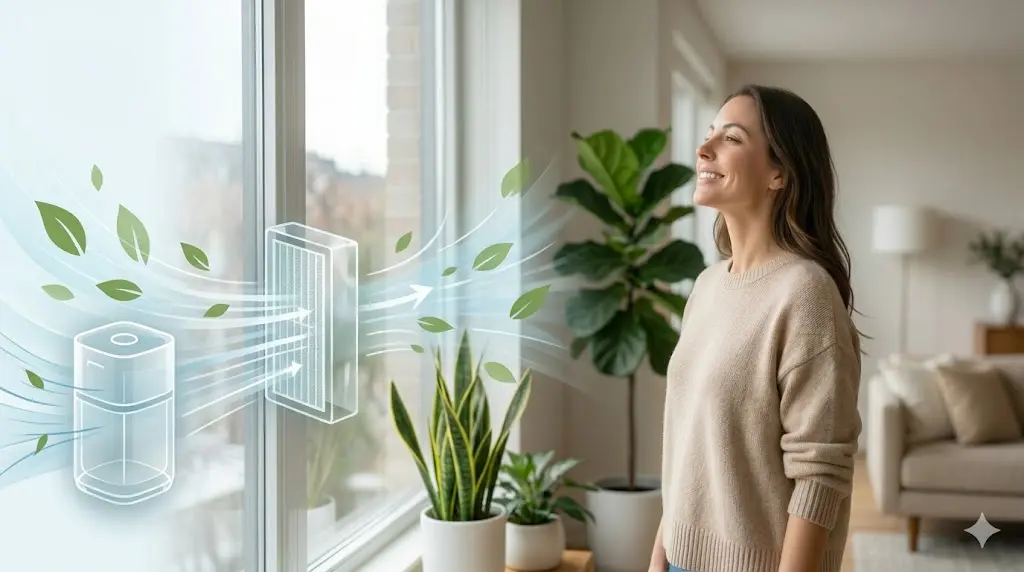
- Adding air purifiers in key rooms
- Sealing duct leaks
- Controlling indoor humidity
- Cleaning vents and registers regularly
These small changes work together to create a healthier indoor environment. They also support your HVAC system so it runs more efficiently.
Conclusion
Clean indoor air is not just about comfort it is about health and quality of life. When your HVAC system runs well and your home stays clean, you feel the difference every day. You sleep better, breathe easier, and enjoy a more comfortable home.
If you notice signs of poor airflow, dust buildup, or uneven temperatures, it may be time to take action. At Nearheating and cooling hvac, professional HVAC care helps restore clean air, improve indoor comfort, and keep your system running efficiently.
For expert help with HVAC installation, repair, and maintenance that improves airflow and comfort, visit Near Heating and Cooling HVAC. A well-maintained system is the first step toward fresher air and a healthier home.
FAQs
1. How often should I clean my HVAC system for better air quality?
Most homes should clean or inspect their HVAC system once or twice a year. Regular care helps maintain good airflow and cleaner indoor air.
2. What is the fastest way to improve indoor air quality?
Changing air filters and improving ventilation are the quickest ways to see results. These simple steps immediately reduce dust and improve airflow.
3. Can poor HVAC airflow affect health?
Yes, weak airflow can trap dust and allergens inside your home. This may cause allergies, headaches, or breathing discomfort over time.
4. When should I consider air duct cleaning?
You should consider it when you see dust from vents, musty smells, or constant allergy symptoms. These are strong signs your ducts may be dirty.
5. Do air purifiers replace HVAC maintenance?
No, air purifiers help, but they cannot replace HVAC maintenance. Both work together to keep your indoor air clean and healthy.